Bone grafting before implants
Rebuilding jawbone so there is enough support for an implant.
Medically reviewed by Dr. Broneil Ishaya, DDS (CA license #105491) · Oct 2026 · Written by the Turlock Dental Studio team
Quick answer: A dental bone graft rebuilds jawbone that has thinned after tooth loss so there is enough support for an implant. Common types include socket preservation, ridge augmentation and sinus lifts. Grafting can add months of healing, and a 3D CT scan helps your dentist judge whether you need one.
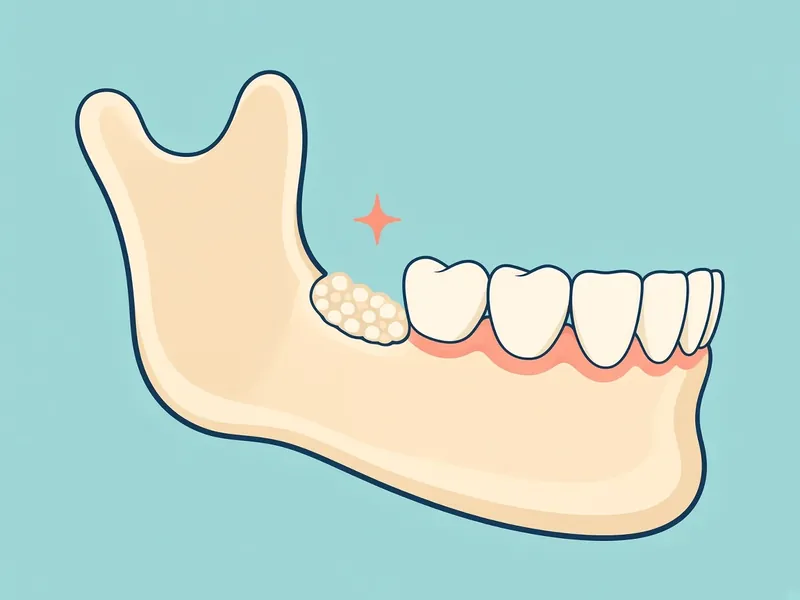
Why might I need a bone graft?
After a tooth is lost, the bone in that area can shrink. If there is not enough healthy bone to hold an implant, a graft may be recommended first, or at the same visit as the implant.
What types of bone grafts are there?
- Socket preservation at the time of extraction
- Ridge augmentation to restore width or height
- Sinus lift for the upper back jaw
Grafting can add healing time. The 3D CT scan at your consultation helps show whether you would need it. Read more in our bone grafting article.
Fees
Graft fees depend on the type and size of the graft and are listed separately in your estimate.
Key facts
- Bone can shrink after a tooth is lost
- Graft material may be your own, donor, animal-derived or synthetic
- A sinus lift adds bone in the upper back jaw
- Some grafts are placed at the same visit as the implant
- Grafting can lengthen the overall timeline
Does a bone graft hurt?
It is done under anesthesia. Soreness and swelling afterward are common and are usually managed with your dentist's instructions.
Whether this treatment is right for you can only be decided after an exam. Every case differs, and results vary.
Sources
Find out which option fits you, starting with a free consultation.
Book a free consultation